The Circle of Wellness Newsletter - Ask the Therapist 12/25

Do you know that I have a blog page on my site where you can ask me to blog about a mental health related question?
You can find the Ask The Therapist page here. On this page, you will find prior months' newsletters and previous blog posts.
I received an inquiry to post my thoughts on How to Cope With Grief and Depression During the Holiday Season. Read my answer below.
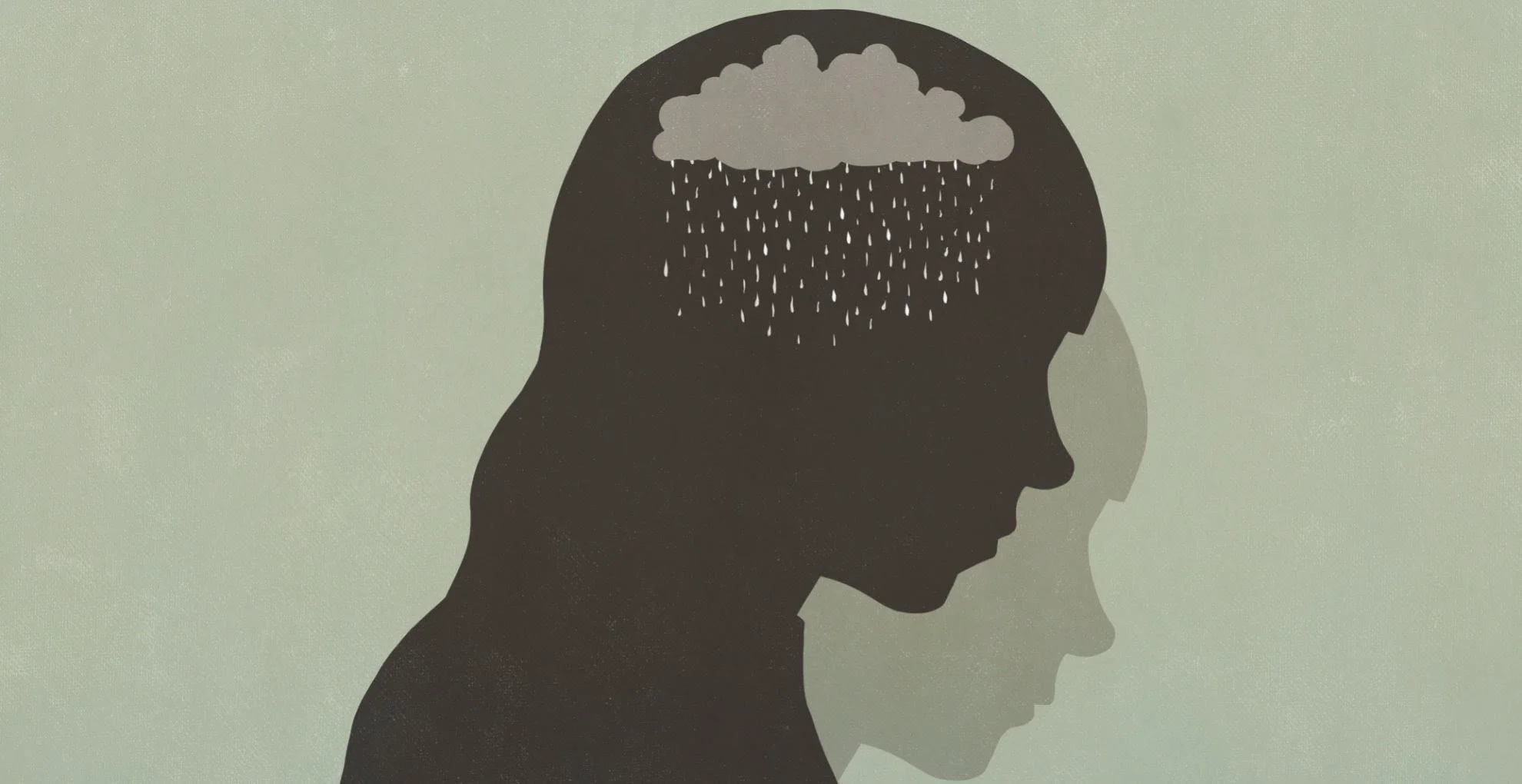
The holiday season is often portrayed as a time of joy, warmth, and togetherness, but for many people, it can amplify feelings of grief, loneliness, or depression. If you’re navigating loss or struggling emotionally this time of year, you are far from alone. There is no “right” way to feel during the holidays, and there is no timeline for healing. What is possible is finding ways to care for yourself, honor your emotions, and create space for both remembrance and relief.
1. Acknowledge Your Feelings Instead of Pushing Them Away
It’s okay if the holidays feel heavier than they used to. Grief doesn’t follow a straight line, and anniversaries, traditions, and memories can stir up pain unexpectedly. Let yourself feel what you feel—sadness, anger, numbness, even moments of happiness. All of it is valid. Give yourself permission to not be “festive” if you aren’t.
2. Set Realistic Expectations
You don’t have to do everything you used to. You can decline events, scale back traditions, or create new ones that better fit where you are emotionally. Share your limits with people you trust. Protecting your energy is not selfish—it’s healthy.
3. Create a Space to Honor Your Loved One
For those grieving someone who has passed, incorporating them into the season can bring comfort:
Light a candle in their honor
Hang a special ornament
Cook their favorite dish
Write them a letter
Visit a meaningful place
Rituals can transform grief from something that overwhelms to something that connects.
4. Reach Out Instead of Withdrawing Completely
Even if you don’t feel up to large gatherings, consider connecting with one supportive person. A call, a walk, a quiet coffee date, or simply sitting together can ease feelings of isolation. If you have no one nearby, online grief groups and support communities can help you feel less alone.
5. Practice Gentle Self-Care
During difficult emotional seasons, your body and mind need extra compassion. Simple acts help more than you might expect:
Keep a consistent sleep routine
Eat regular meals
Move your body, even lightly
Get sunlight or fresh air
Limit alcohol, which can intensify depression
Think of self-care as maintenance, not a cure—small choices that keep you grounded.
6. Allow Yourself Moments of Joy Without Guilt
Grief often comes with a complicated feeling: guilt when you laugh, enjoy yourself, or feel “better” for a moment. But experiencing joy doesn’t erase your love or your loss. Healing creates room for both sorrow and sweetness.
7. Seek Professional Support When Needed
If depression feels overwhelming—persistent sadness, hopelessness, lack of motivation, changes in sleep or appetite, or thoughts of self-harm—it’s important to reach out to a mental health professional. Therapy, support groups, and in some cases medication, can help lighten the load.
8. Create New Traditions at Your Own Pace
Sometimes the traditions you once loved feel painful after loss or during depression. You’re allowed to reinvent the holiday season. Some ideas:
A quiet getaway
A day of volunteering
A long walk followed by a favorite meal
A “no-pressure” celebration at home
A movie marathon
Traditions exist to bring comfort—not distress—and you can shape them to fit your life today.
Grief is not a sign of weakness. Depression is not a personal failure. Both are human experiences that deserve compassion, patience, and support. The holidays don’t have to be perfect, cheerful, or busy. They can simply be gentle.
If this season is hard for you, please remember: you matter, your feelings matter, and it’s completely okay to move through the holidays at your own pace.
Do you have a mental health related question?