The Circle of Wellness Newsletter 11/25

Anger and resentment are powerful emotions. They often show up when we feel wronged, unheard, or powerless. While these emotions are completely human, holding onto them for too long can drain your energy, affect your relationships, and block your emotional growth. The good news? You can learn to move through them—without suppressing or being controlled by them.
In this post, we’ll explore practical mental health strategies to help you process anger and resentment in healthy, mindful ways.
1. Acknowledge What You Feel
Many of us are taught to push away “negative” emotions. But ignoring anger or resentment only makes them grow stronger over time.
Instead, take a moment to name what you’re feeling.
Ask yourself:
Where do I feel this anger in my body?
What thoughts are fueling this resentment?
What boundaries were crossed?
Labeling your emotions activates the rational parts of your brain and helps you move from reaction to reflection.
2. Allow the Emotion to Move Through Your Body
Anger is energy—it lives in your body. When you hold it in, it can turn into tension, headaches, or exhaustion.
Try releasing it physically, but safely:
Go for a brisk walk or run.
Hit a pillow or scream into one.
Do deep breathing or grounding exercises.
Let the emotion have space to move, rather than letting it stagnate.
3. Challenge the Story You’re Telling Yourself
Resentment often sticks because we replay a painful story: “They shouldn’t have done that to me.”
While this thought may be true, repeating it keeps you anchored in the past.
Ask yourself:
Is this thought helping me heal or keeping me stuck?
What’s another perspective that honors my pain but frees me from it?
You don’t have to excuse what happened—but you can choose to release its grip on your present life.
4. Set Boundaries Instead of Building Walls
Anger can sometimes be a sign that a boundary has been violated.
Use your emotion as a guide rather than a weapon.
For example:
Instead of cutting someone off completely, communicate what you need clearly: “I need time to process before we talk about this again.”
Protect your energy by saying no to situations that repeatedly hurt you.
Healthy boundaries prevent resentment from building up in the first place.
5. Practice Forgiveness for Yourself First
Forgiveness doesn’t mean forgetting or excusing. It’s about releasing yourself from the emotional weight of the past.
Start by forgiving yourself—for not knowing better, for reacting in anger, or for holding on too long.
This self-compassion opens the door for deeper healing and, eventually, forgiveness toward others (if and when you’re ready).
6. Seek Support
Sometimes, anger and resentment are too heavy to process alone. Talking to a therapist, counselor, or support group can provide perspective and coping tools.
There’s strength in reaching out—healing happens in connection.
Anger and resentment are part of being human, but they don’t have to define your life. When you learn to face them with awareness, compassion, and intention, they can become powerful teachers—guiding you toward stronger boundaries, emotional resilience, and inner peace.
Take it one step at a time. Healing isn’t about rushing to “get over it”—it’s about learning to move through it, and reclaiming your peace along the way.

I’m currently accepting new clients for Psychotherapy and MARI sessions. All current clients receive 20% discount for MARI services, and newsletter subscribers receive 10% discount as new clients.
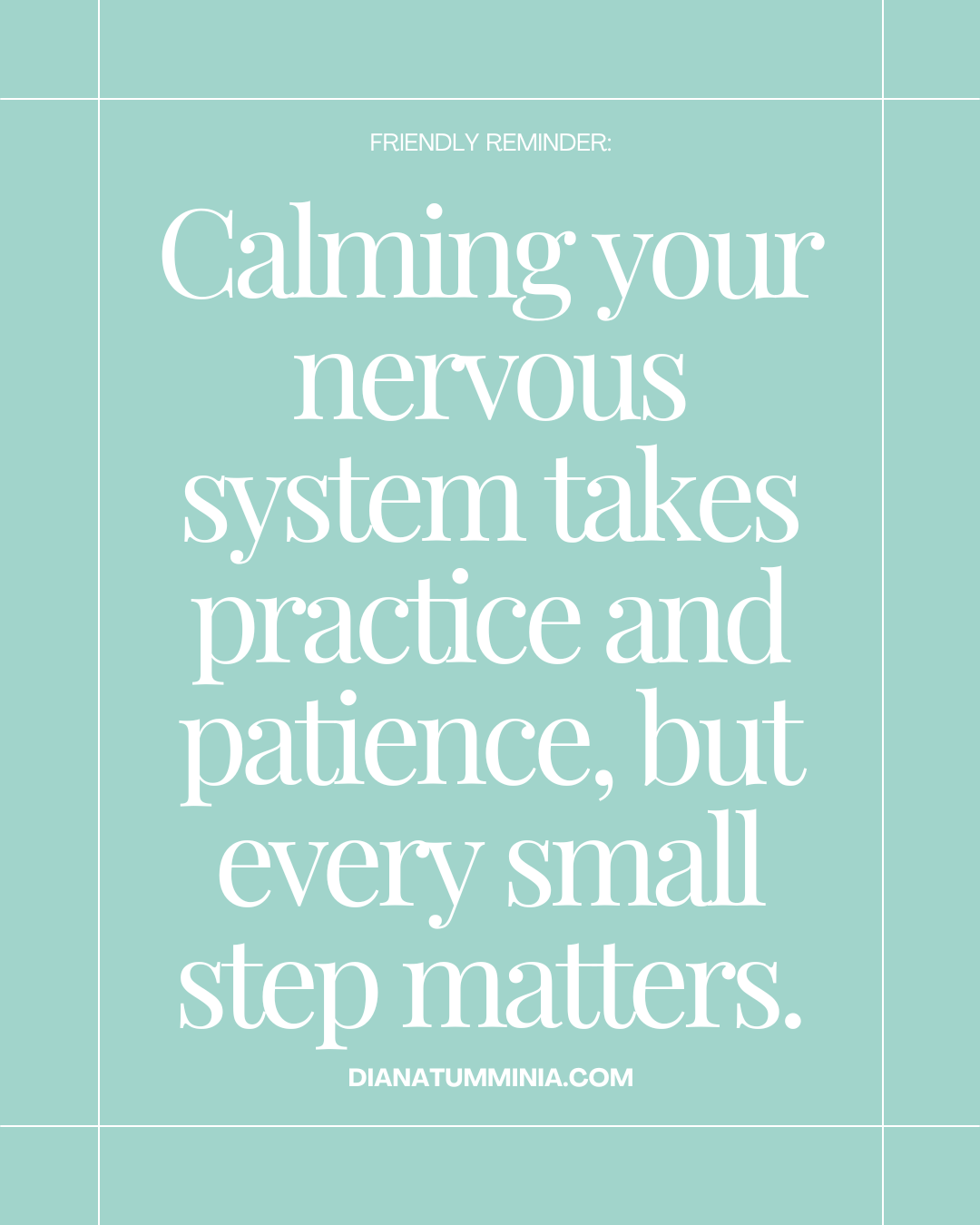
Practice small increments of self-care every single day. Even 5-10 minutes, whether doing a calming breathing exercise, a meditation, intentional thoughts restructuring, or anything else you find soothing - it all counts.


People often wonder why they go back to or repeat the old wounds. When you grow up in an environment where love, safety, or belonging are inconsistent or unhealthy, your nervous system learns to find homeostasis in a state of unpredictability. A nervous system wires itself around what it knows, not necessarily what feels good.
If rejection, inconsistency, or neglect were part of your early story, your nervous system memorized that rhythm. In these cases, what it learns is how to brace, adapt, and recover in response to events. Later, when peace or stability finally arrives, your body can misread them as foreign or even unsafe, as they don’t match your ingrained experiential survival map.
This article provides more information on this important topic and offers ways to heal Why Your Nervous System Keeps Choosing What Hurts | Psychology Today

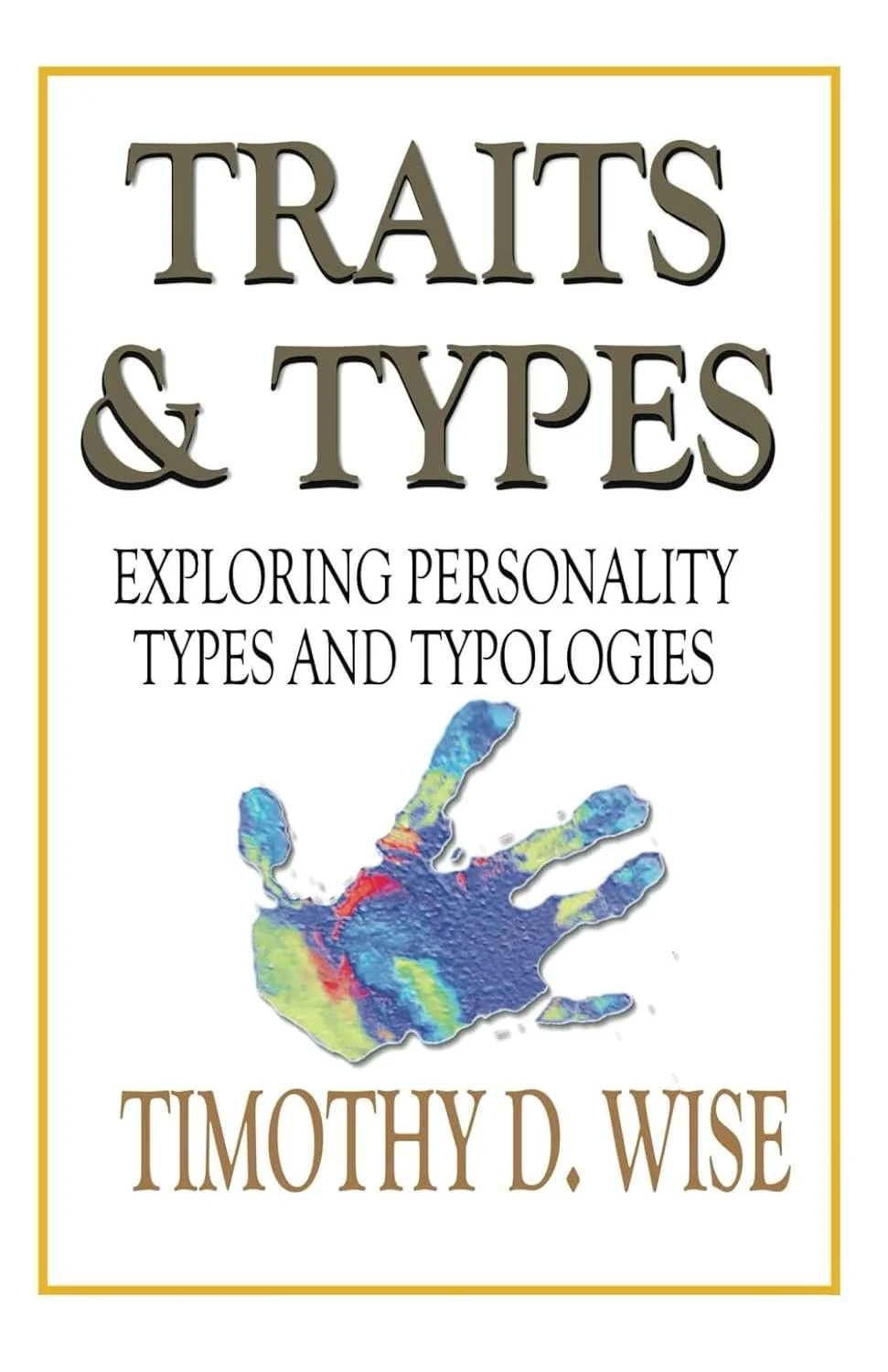
Ever wonder why you click with some people instantly, while others leave you perplexed? The answer lies in the intricate tapestry of personality.
In "Traits and Types," Wise masterfully weaves together the threads of various personality systems, using the Big Five Aspects Scale (BFAS) as a unifying framework. From the familiar territory of Myers-Briggs to the nuanced realms of the Enneagram and beyond, this book offers a comprehensive exploration of what makes us uniquely human.
Get this book here.

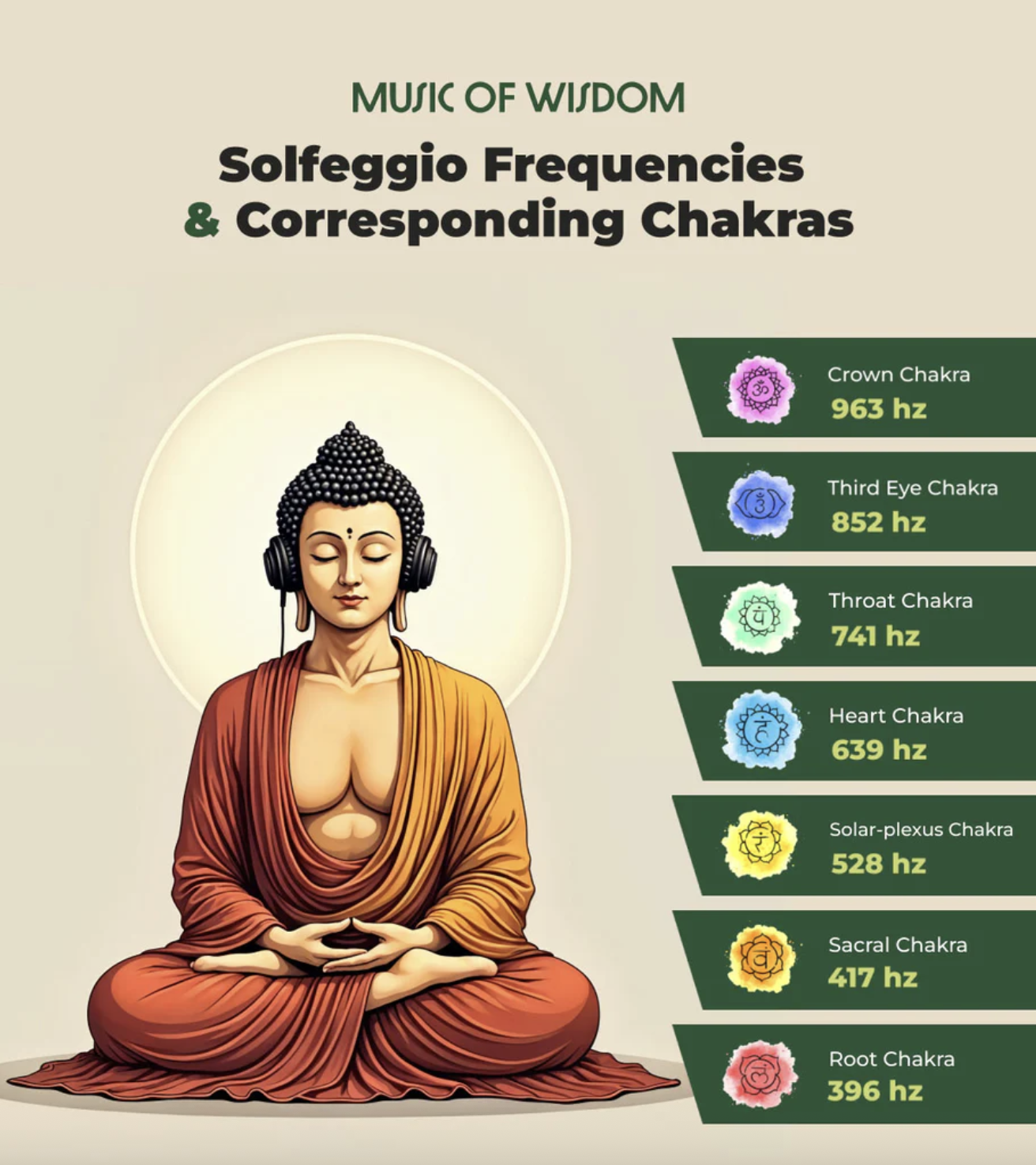
Solfeggio frequencies are specific sound tones believed to promote relaxation, stress relief, and healing by influencing the mind and body. They are used in sound therapy and are associated with positive shifts in mental, emotional, and physical well-being, though the scientific evidence for their effects is limited. Some proponents claim that these frequencies can clear negative thoughts, improve emotional balance, and enhance meditation, while research has shown some specific frequencies may reduce stress?
Here’s a list of specific frequencies and their corresponding healing properties List of All Healing Frequencies: A Comprehensive Guide – Meditation Music Library

Quick Mental Health Tips for Beating Procrastination
Start Small: Do just one tiny step — action builds momentum.
Try the 5-Minute Rule: Commit to working for five minutes; starting is the hardest part.
Plan It: Schedule tasks like appointments — don’t leave them to “someday.”
Break It Down: Divide big goals into small, doable chunks.
Limit Distractions: Silence your phone, block apps, and work in short focus bursts.
Celebrate Progress: Small wins count — perfection isn’t the goal.

The Ho'oponopono saying is a Hawaiian practice of forgiveness and reconciliation that involves repeating the mantra: "I'm sorry, please forgive me, thank you, I love you". It is a self-healing mantra used to clear negative memories and promote a sense of peace and harmony within oneself and with others. With Thanksgiving holiday coming upon us, find your center of gratitude and practice it every day.