The Circle of Wellness Newsletter 2/26

Mental Health Interventions for Perfectionism: When “Doing Your Best” Becomes a Burden.
Perfectionism is often praised. It looks like ambition, discipline, and high standards. But beneath the polished surface, perfectionism can quietly fuel anxiety, burnout, depression, and a persistent sense of “never enough.”
In therapy, perfectionism isn’t treated as a flaw—it’s understood as a coping strategy that once served a purpose but may now be costing more than it gives.
Clinically, perfectionism isn’t just about wanting to do well. It often includes:
All-or-nothing thinking (“If it’s not perfect, it’s a failure”)
Harsh self-criticism
Fear of mistakes or judgment
Difficulty resting or feeling satisfied
Self-worth tied to performance
Research consistently links maladaptive perfectionism to anxiety disorders, depression, eating disorders, and obsessive-compulsive traits.
Evidence-Based Interventions for Perfectionism:
Cognitive Behavioral Therapy (CBT)
CBT is one of the most well-supported approaches for perfectionism.
Interventions include:
Identifying rigid rules (“I must always succeed”)
Challenging cognitive distortions (catastrophizing, overgeneralization)
Behavioral experiments (doing something imperfect on purpose and observing the outcome)
Clients learn that mistakes are survivable—and often far less consequential than their inner critic predicts.
Self-Compassion Training
Perfectionism thrives on self-punishment. Self-compassion introduces an alternative.
Interventions focus on:
Speaking to oneself as one would to a close friend
Normalizing human imperfection
Reducing shame-based motivation
Studies show that self-compassion increases resilience and motivation without reducing achievement—countering a common fear among perfectionistic clients.
Acceptance and Commitment Therapy (ACT)
ACT reframes perfectionism as a struggle with internal experiences rather than a problem to eliminate.
Core components include:
Accepting uncomfortable thoughts and emotions instead of controlling them
Defusing from perfectionistic self-talk
Clarifying values beyond achievement (connection, creativity, meaning)
The goal shifts from “doing things perfectly” to “doing things in a way that matters.”
Mindfulness-Based Interventions
Mindfulness helps clients notice perfectionistic thoughts without immediately obeying them.
Benefits include:
Reduced rumination
Greater emotional regulation
Increased tolerance for uncertainty and incompleteness
Practices emphasize observing rather than fixing—an unfamiliar but powerful skill for perfectionists.
Behavioral Interventions and Exposure
Avoidance and overpreparation often maintain perfectionism.
Interventions may involve:
Setting time limits instead of outcome goals
Submitting work before it feels “ready”
Practicing rest without justification
These exposures weaken the association between imperfection and perceived danger.
Addressing the Emotional Core
Perfectionism is rarely just about performance. Underneath are often:
Fear of rejection
Fear of being ordinary
Fear of losing control
Effective treatment creates space to process these fears with curiosity rather than judgment.
Perfectionism is socially rewarded, which can make it harder to recognize as a source of distress. Mental health interventions offer a way to keep high values while releasing self-punishment.
In therapy, perfectionism isn’t dismantled—it’s softened, understood, and reshaped into something that supports well-being rather than undermines it.

I’m currently accepting new clients for Psychotherapy and MARI sessions. All current clients receive 20% discount for MARI services, and newsletter subscribers receive 10% discount as new clients.

It’s important to incorporate joy and laughter into everyday life. When we laugh with others and compassionately laugh at ourselves, it regulates our nervous system, bringing a sense of calm and connection. Here’s how AI sees me as a therapist. What do you think?


A comprehensive understanding of the factors that contribute to perfectionism are reviewed in this study and may help design programs to prevent negative outcomes such as depression and stress. Studies on parental factors such as parenting style and parental perfectionism are also reviewed.
Read the article here: View of Factors Influencing the Development of Perfectionism

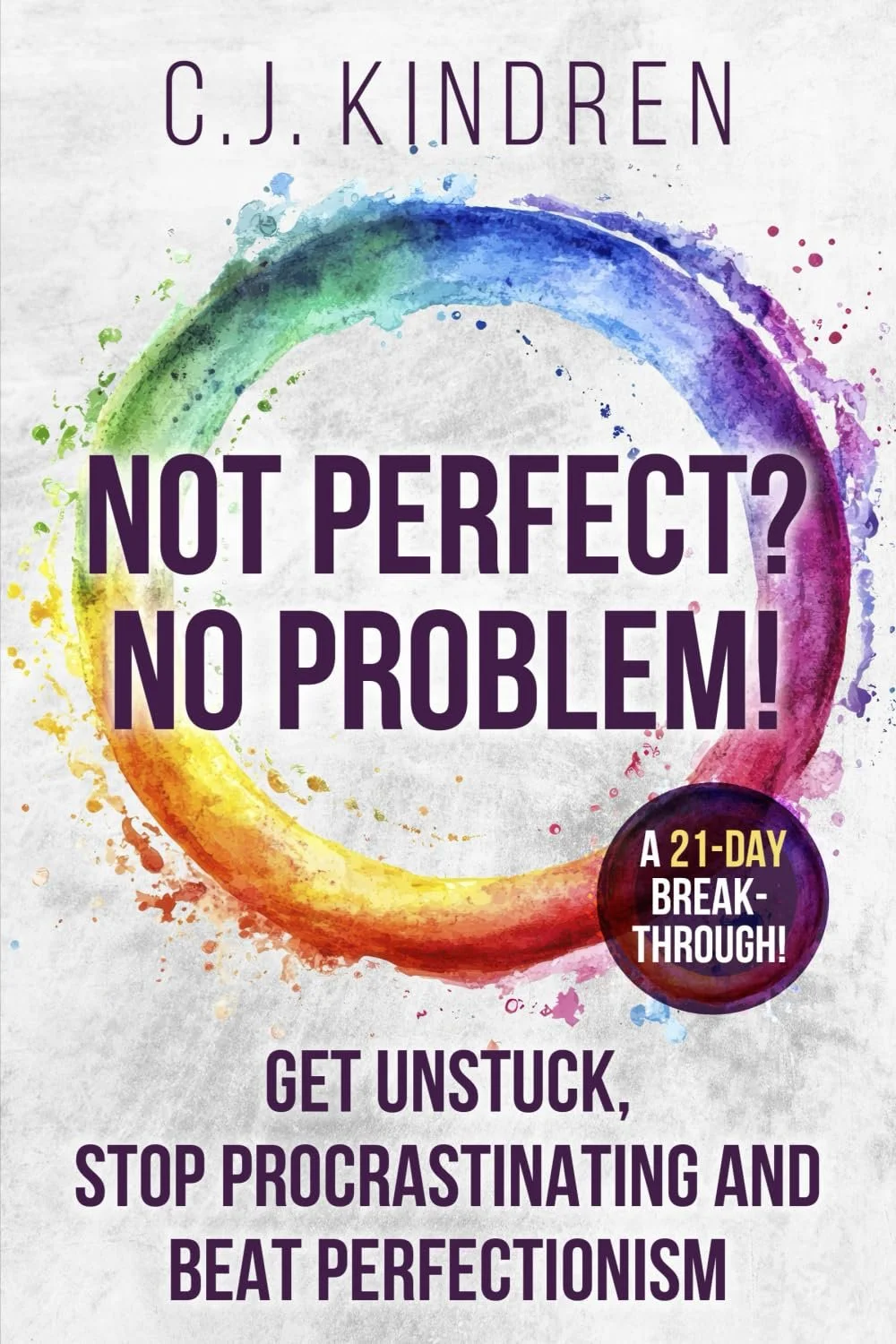
Find out how to build unstoppable momentum with small, imperfect steps so you can finally break free from this endless loop of being stuck.
With effective exercises and gentle guidance, you will overcome fear and shatter the cycle of delay and perfectionism to make meaningful progress on your own terms.
Get this helpful guide here: Not Perfect? No Problem!: Get Unstuck, Stop Procrastinating, and Beat Perfectionism: a 21-Day Breakthrough! (The Action Accelerator Series)

This free mental health resources site lists crisis lines, safety needs and self-help information.
Outreach resources are available here: Free Mental Health Info & Support | Global Crisis Help & Self‑Care Tools


Quick mental health tips for Seasonal Depression:
Get outside during the day (even if it’s cold)
Move your body
Support your mood with good nutrition
Schedule small joyful activities
Stay social

Light & Mood Tracking (Behavioral Experiment)
Goal: Increase awareness of light exposure and mood shifts.
Homework:
Track daily:
Hours of daylight exposure
Energy (0–10)
Mood (0–10)
Note differences between:
Days you go outside in the morning
Days you stay indoors
Reflection Prompt:
What patterns do I notice between light and mood shifts?